
Choosing The Right Rug Size For Every Room (All Of Our Tips And Tricks)
You finally found it — the rug. The color was right, the texture felt good under your feet in the store, and you could already picture it pulling the whole living room together. Then you got it home, rolled it out, and it looked like a postage stamp floating in the middle of the floor.
Sound familiar? You're in good company. Getting the rug size wrong is one of the most common decorating slip-ups, and honestly, it's rarely a taste issue. It's a measurement problem. Once you know a few basic guidelines, choosing the right rug size stops feeling like guesswork. Here's what actually helps.
Table of Contents:
Why Rug Size Matters More Than You Think
A rug isn't just something soft to add color underfoot. The right rug size creates visual balance, anchors your furniture placement, and helps a room feel like someone actually planned it — instead of just placing pieces wherever they'd fit.
Rug dimensions shape how a space reads in terms of room proportions, too. Go too small, and a room can feel disjointed, almost like the furniture is scattered around the rug rather than resting on it. Size it well, and everything ties together — this matters most in open floor plans, where a rug is often what separates one "zone" from another.
There's a comfort piece as well. Warmth underfoot, a bit of sound dampening, that general sense of coziness — all of it depends on having enough rug placement coverage where you actually walk and sit, not just a token square in the center of the room.
Rug Size Guide Living Room
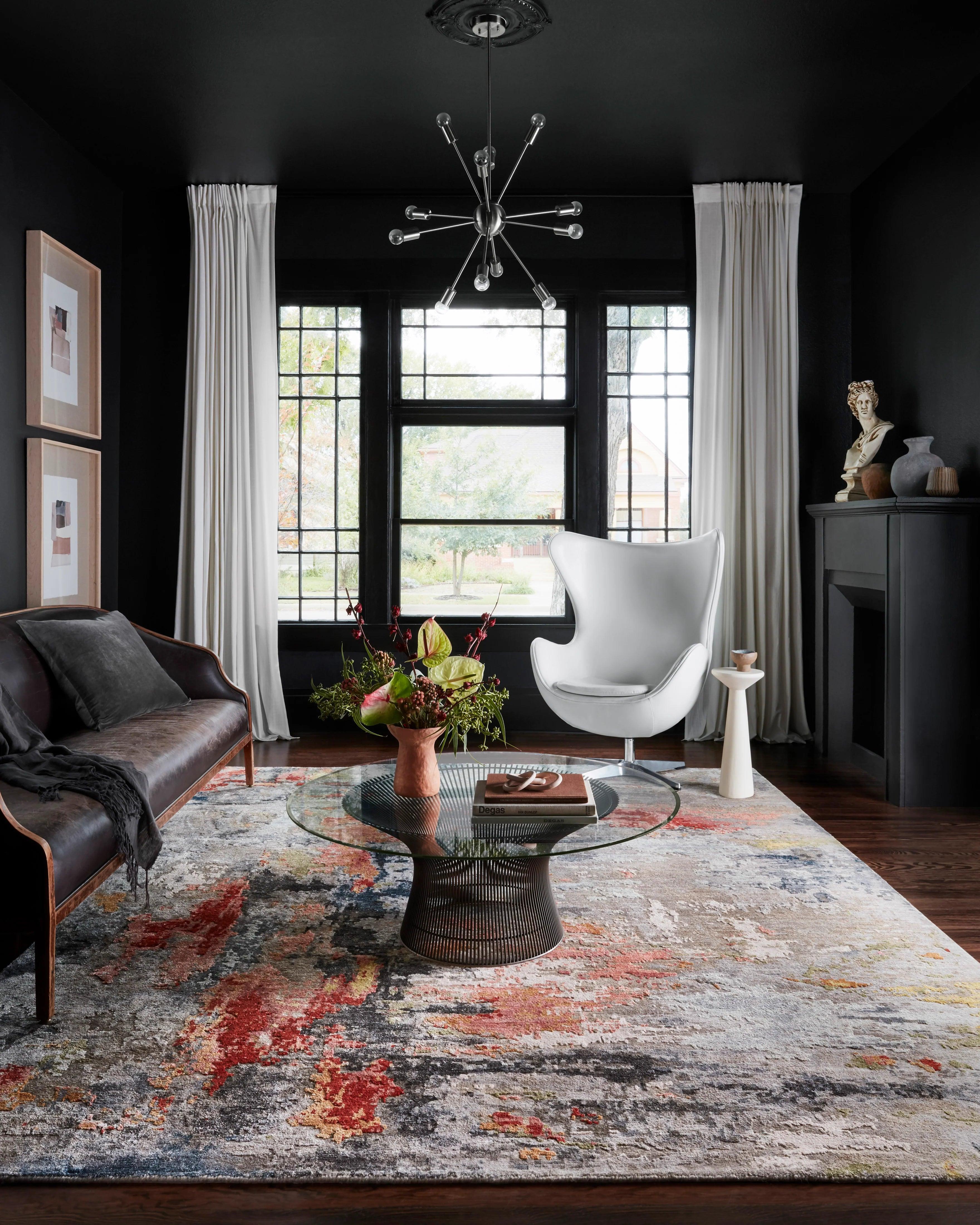
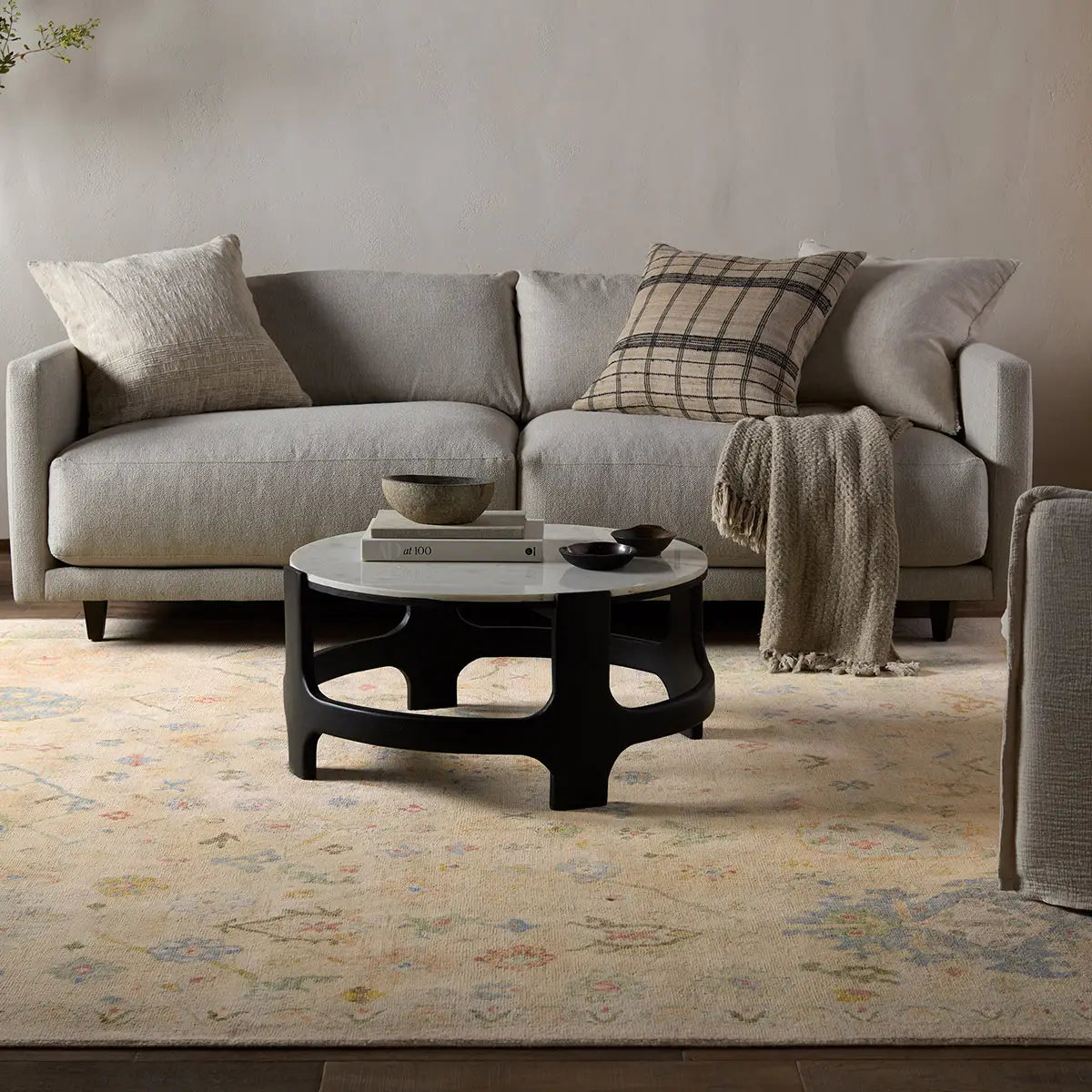
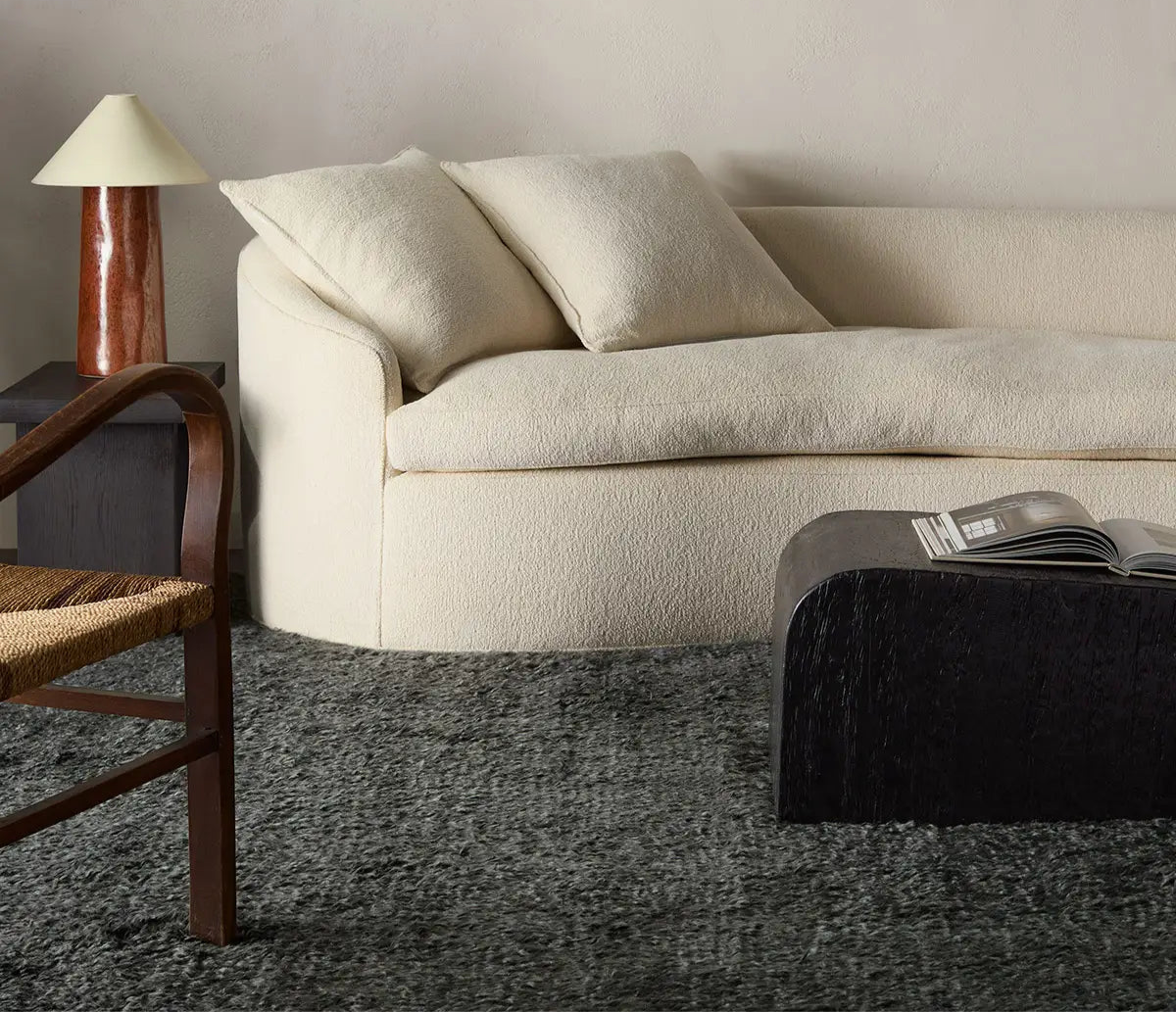
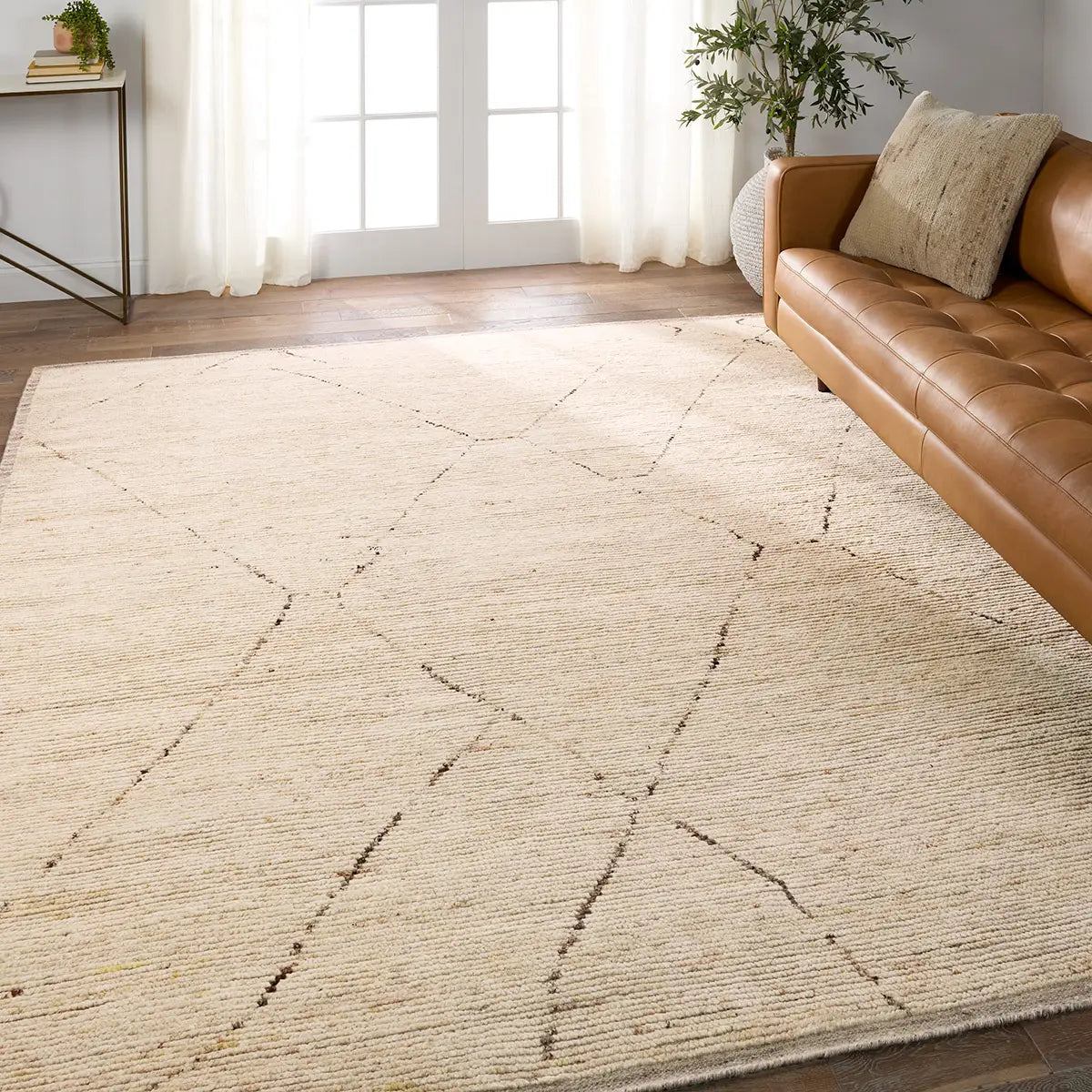
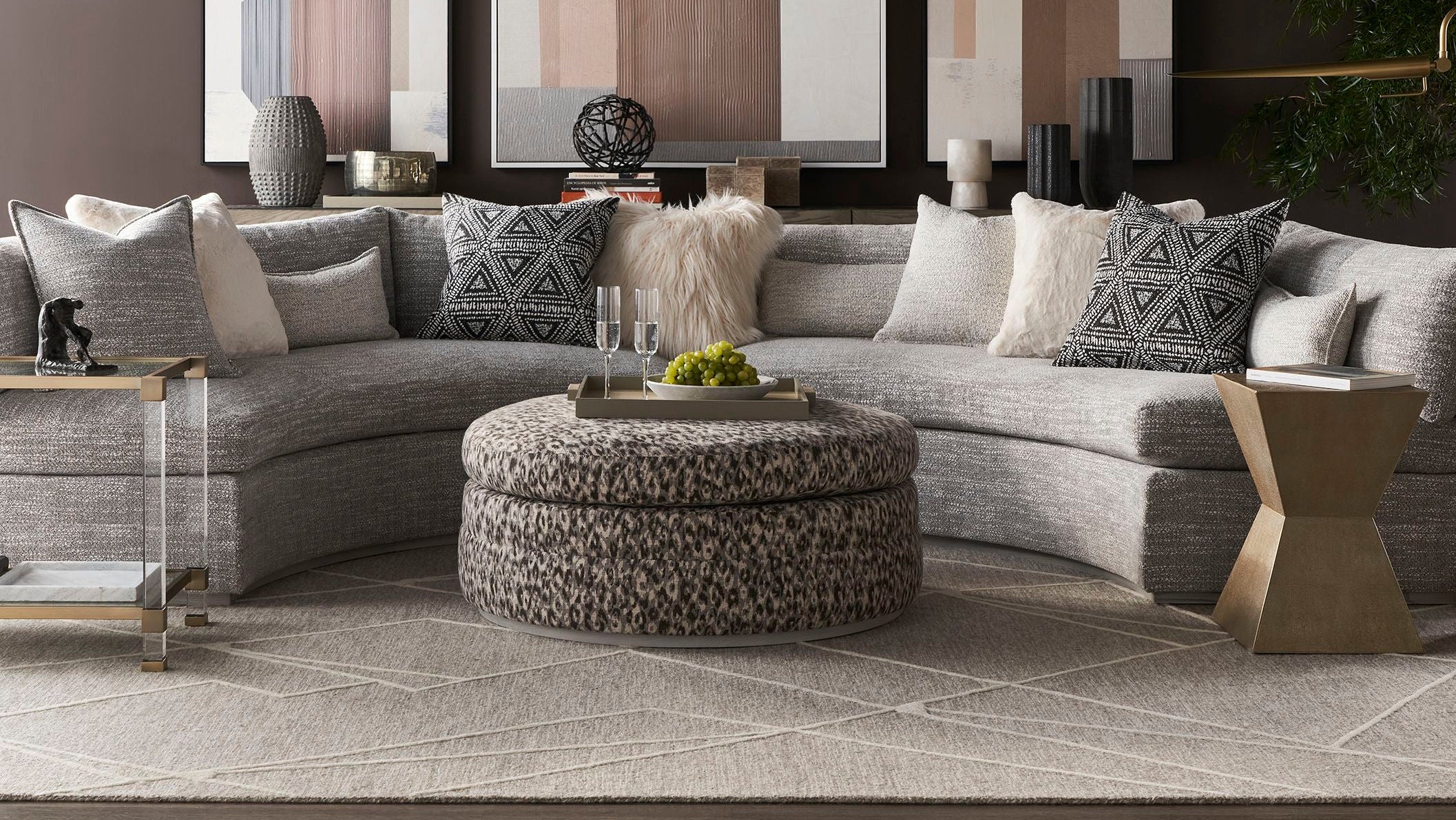
In most living rooms, the front legs of your sofa and chairs should rest on the rug. It sounds like a small detail, but it's what "grounds" a seating area instead of letting the furniture float around the rug's edges.
For smaller living rooms, a 5' x 8' rug can work, as long as it fits comfortably under the front legs of your main seating pieces. In medium-sized rooms, 8' x 10' is a good starting point. And in bigger or open-concept spaces, you'll usually want 9' x 12' or larger so the rug can define the living area without cutting it off from the rest of the floor plan.
One mistake we see a lot: a rug so small that the furniture surrounds it entirely, with not a single leg touching down. It tends to make the whole seating arrangement look like it's shrinking away from the room instead of anchoring it.
Rug Size Guide Bedroom
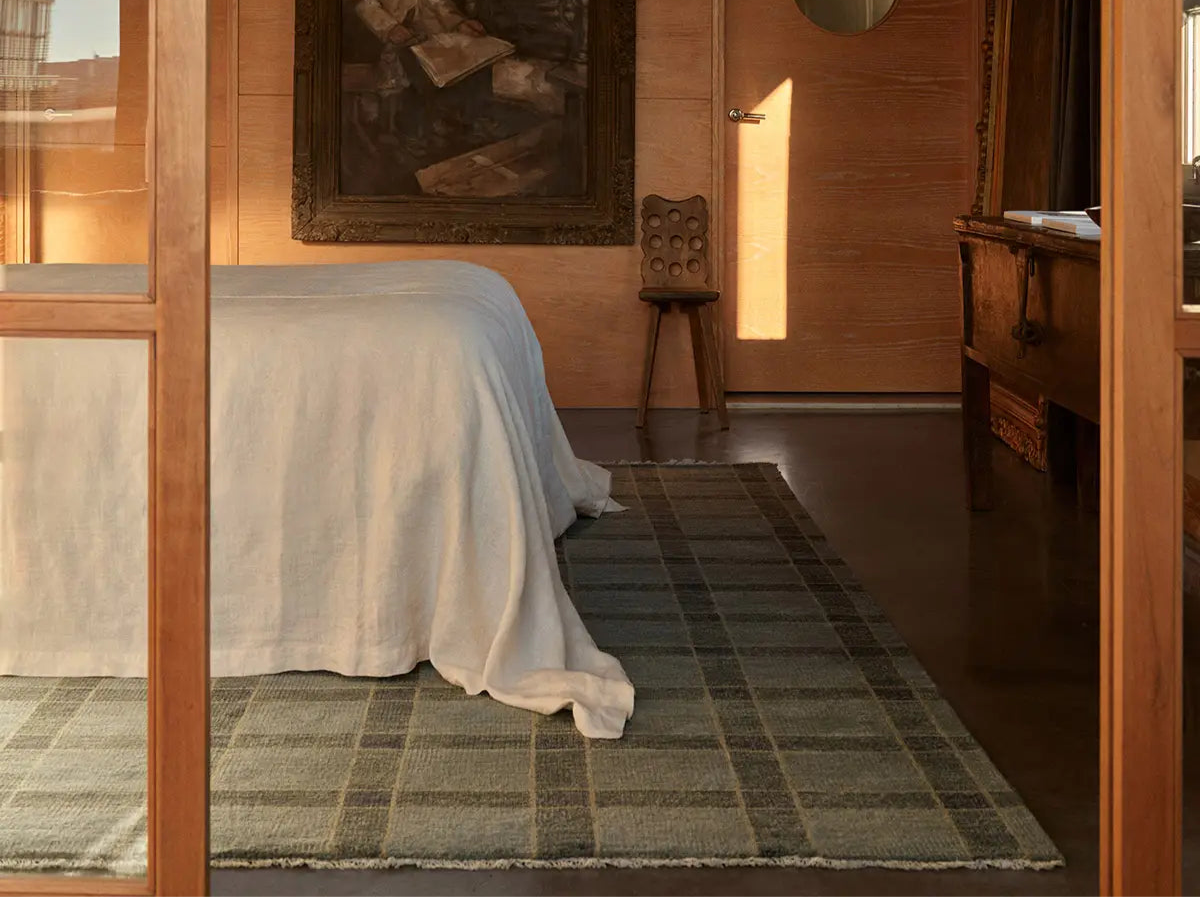
Bedroom rug placement really comes down to your bed size. For a queen bed, an 8' x 10' rug usually lets it extend about 18 to 24 inches past each side of the mattress, so your feet land on something soft the moment you get up.
King beds take up noticeably more floor space, so sizing up to a 9' x 12' rug keeps the proportions from feeling off. Twin beds pair well with something smaller, like a 4' x 6' rug, positioned so a good portion extends past the sides and foot of the bed.
If a full-size rug isn't in the budget, or the layout just doesn't allow it, runners on either side of the bed are a solid alternative — they still add warmth and definition without needing to cover the whole floor.
Rug Size Guide Dining Room
The main rule for a dining room rug is simple: all four chair legs should stay on the rug even when someone pulls their chair out. A chair leg catching on the rug's edge is one of the clearest signs the sizing is off.
Start by measuring your table, then add roughly 24 to 30 inches of overhang on every side to account for pulled-out chairs. For a standard 6-seat table, an 8' x 10' rug is often plenty. Larger tables, especially ones seating 8 or more, usually call for a 9' x 12' rug or bigger.
Large Area Rug Sizes
Once you're working with a larger room or an open floor plan, a large area rug can do a lot of the heavy lifting for your overall room proportions. Here's a rough breakdown of where the common sizes tend to work best.
An 8' x 10' rug suits medium living rooms, dining spaces with a 6-seat table, or bedrooms with a queen bed. A 9' x 12' rug fits larger living rooms, king bedrooms, and dining rooms with bigger tables. A 10' x 14' rug is a great size for open floor plans or bigger main bedrooms. And a 12' x 15' rug is typically reserved for expansive great rooms, or combined living and dining spaces where one rug needs to visually anchor several furniture groupings at once.
Quick Rug Size Tips Before You Buy
A few small steps upfront can save you from an expensive sizing mistake later.
-
Use painter's tape to outline your prospective rug dimensions on the floor before you buy.
-
Leave a consistent border of visible flooring, usually 10 to 20 inches, around the rug's edge.
-
Account for door and drawer clearance so nothing catches or drags.
-
Consider how people actually move the furniture around in the room and not the furniture itself.
-
Take into account the shape of your room because the different shapes may require a different solution.
Final Thoughts
Choosing the right rug size doesn't have to be a whole ordeal. With a tape measure, a roll of painter's tape, and the guidelines above, you can walk into it with a plan instead of a guess.
A few extra minutes of measuring now can spare you a rug that feels "off" later — and help your room come together looking balanced, comfortable, and genuinely thought out. When you're ready to shop, take a look at the collection at ModernRugImporters.com to find a size and style that actually fits your space.